
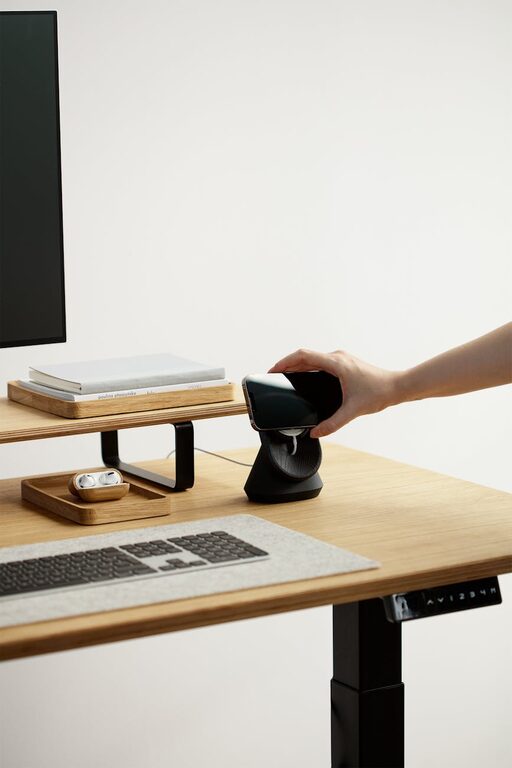
Creating a home office space that is both cozy and functional can transform your workday. Whether you’re working remotely full-time or need a dedicated spot for occasional tasks, a well-designed home office boosts productivity and comfort. Here are some helpful tips to create a workspace that feels inviting and supports your work needs.
1. Choose the Right Location
Start by selecting the best spot in your home for your office. Ideally, this space should have:
– Natural Light: A room or corner with access to daylight can improve mood and reduce eye strain.
– Quiet Environment: Choose a quiet area to minimize distractions.
– Sufficient Space: Make sure there’s enough room for your desk, chair, and any necessary equipment.
If space is limited, even a small nook can be transformed into a functional office with the right approach.
2. Invest in Comfortable, Supportive Furniture
Your furniture plays a key role in productivity and comfort.
– Ergonomic Chair: Select a chair that supports your back and promotes good posture for long hours.
– Desk: Choose a desk that fits your needs and space. Adjustable desks or standing desks are great options to vary your posture.
– Storage Solutions: Incorporate shelves, file cabinets, or drawers to keep supplies and documents organized and out of sight.
Comfortable furniture helps prevent fatigue and keeps you focused.
3. Organize Your Workspace Efficiently
An organized workspace reduces stress and saves time looking for items.
– Declutter Regularly: Keep your desk free from unnecessary items.
– Use Containers and Organizers: Desk trays, pen holders, and drawer organizers keep small items tidy.
– Cable Management: Use clips or sleeves to tame cords and chargers to create a cleaner look.
When everything has a place, your workflow becomes smoother.
4. Personalize Your Space
A personalized workspace can make you feel more at ease and inspired.
– Incorporate Favorite Colors: Use accents like cushions, rugs, or wall art in colors that uplift you.
– Add Plants: Indoor plants improve air quality and add a calming natural element.
– Display Meaningful Items: Photos, quotes, or mementos add a personal touch without overwhelming the space.
A cozy atmosphere encourages creativity and motivation.
5. Optimize Lighting
Proper lighting reduces eye strain and sets the right mood.
– Maximize Daylight: Position your desk near a window if possible.
– Use Multiple Light Sources: Combine overhead lighting with desk lamps for balanced illumination.
– Choose Warm Light Bulbs: Warm or natural light tones create a comfortable ambiance.
Adjust lighting throughout the day to match your tasks and reduce glare on screens.
6. Incorporate Technology Thoughtfully
Technology is essential, but it shouldn’t clutter your space.
– Choose Essential Devices: Only keep necessary electronics on your desk.
– Use Wireless Options: Wireless keyboards, mice, and chargers can reduce cables.
– Keep Devices Updated and Functional: Prevent productivity interruptions by maintaining your tech.
A tidy and reliable setup supports a smooth workday.
7. Create Zones if Space Allows
If you have enough room, create distinct zones for different activities.
– Work Zone: Primary desk and computer area.
– Reading or Relaxation Zone: A comfortable chair or small sofa to take breaks.
– Storage Zone: Cabinets or shelves for organizing supplies.
Zoning helps you switch between tasks and relax without leaving your office area.
8. Maintain Good Air Quality and Temperature
A comfortable environment includes fresh air and a pleasant temperature.
– Ventilate Regularly: Open windows when possible.
– Use Air Purifiers: Improve air quality, especially in enclosed spaces.
– Control Temperature: Use fans, heaters, or air conditioning as needed to stay comfortable.
These factors contribute to better focus and overall well-being.
9. Add Soft Textures and Cozy Elements
Small touches make your office feel inviting.
– Rugs: A soft rug underfoot adds warmth.
– Throw Blankets and Cushions: These bring comfort and color.
– Curtains: Soften the space and control sunlight.
These elements can make your home office a place you look forward to spending time in.
Conclusion
Designing a home office that is both cozy and functional doesn’t require a large budget or a dedicated room. By paying attention to location, furniture, organization, lighting, personalization, and comfort, you can create a workspace that supports your productivity and well-being. Investing time in setting up your office will pay off with an enjoyable and efficient work environment.