
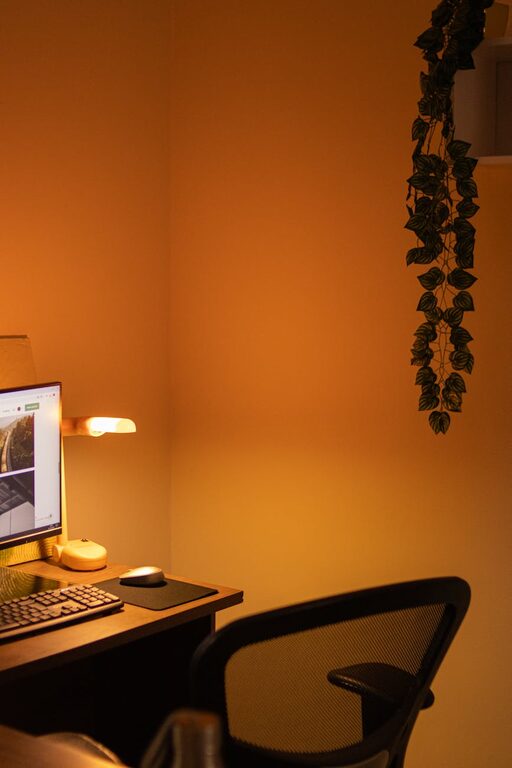
Creating a comfortable and productive home office environment is essential as more people work from home. A well-designed workspace can improve focus, reduce stress, and enhance overall work satisfaction. Whether you have a dedicated room or a small corner in your living space, these tips will help you set up an effective home office that suits your needs.
Choose the Right Location
Selecting the best spot for your home office sets the foundation for productivity.
– Quiet and Private: Try to find a space with minimal distractions and noise. A room with a door or a secluded corner can help separate work from home life.
– Natural Light: Position your desk near a window if possible. Natural light boosts mood and energy levels, making it easier to stay alert.
– Space for Essentials: Ensure there is enough room for your desk, computer, storage, and any other work tools. Feeling cramped can lower comfort and efficiency.
Invest in Ergonomic Furniture
Comfort is critical when spending long hours working. Ergonomic furniture supports good posture and reduces physical strain.
– Ergonomic Chair: Choose a chair with adjustable height, good lumbar support, and comfortable cushioning. Sitting correctly reduces back and neck pain.
– Desk at Proper Height: The desk should allow your arms to rest comfortably at a 90-degree angle when typing. Adjustable desks are ideal for switching between sitting and standing.
– Keyboard and Monitor Setup: Position your keyboard and mouse close to avoid reaching. The top of your monitor should be at or slightly below eye level to prevent neck strain.
Organize for Efficiency
A clutter-free and organized space helps maintain focus and saves time.
– Storage Solutions: Use shelves, drawers, or filing cabinets to keep documents and supplies neatly stored.
– Cable Management: Use clips or cable ties to organize cords, preventing tangling and distractions.
– Daily Tools Within Reach: Keep frequently used items, like notebooks, pens, and charger cables, close by to avoid interrupting your workflow.
Optimize Lighting
Good lighting reduces eye strain and keeps you energized throughout the day.
– Combine Light Sources: Mix natural light with artificial lighting to create balanced illumination.
– Task Lighting: Use a desk lamp with adjustable brightness to focus light where you need it most.
– Avoid Glare: Position screens and lamps to minimize reflections on your monitor.
Personalize Your Workspace
Adding personal touches can make your home office inviting and stimulate creativity.
– Decorate Tastefully: Choose artwork, plants, or photos that inspire you without creating clutter.
– Comfort Items: A cozy blanket, cushions, or a small fan can improve comfort.
– Color Choices: Select calming or motivating colors based on your preferences to enhance your mood.
Establish Boundaries
Separating work time from home life helps maintain balance and reduce stress.
– Set Work Hours: Define specific start and finish times to create routine.
– Inform Housemates: Share your schedule with family or roommates to minimize interruptions.
– Create a ‘Shutdown’ Ritual: End your day with a task like tidying your desk to signal the transition away from work.
Maintain Good Air Quality
A fresh environment supports concentration and well-being.
– Ventilate Regularly: Open windows when possible to let in fresh air.
– Add Plants: Houseplants can improve air quality and add a natural touch.
– Avoid Strong Odors: Keep the area free from strong smells like food or cleaning products.
Use Technology Wisely
Proper tech setup can streamline your tasks and improve comfort.
– Reliable Internet: Ensure a stable connection to avoid disruptions during meetings or downloads.
– Noise-Canceling Headphones: These can help you focus by blocking out background noise.
– Software Tools: Use productivity apps and digital calendars to organize tasks and deadlines efficiently.
Take Regular Breaks
Working for long stretches without breaks decreases productivity and can cause fatigue.
– Follow the 20-20-20 Rule: Every 20 minutes, look at something 20 feet away for 20 seconds to rest your eyes.
– Move Frequently: Stand, stretch, or take short walks to reduce muscle tension.
– Stay Hydrated and Nourished: Keep water and healthy snacks nearby to maintain energy levels.
—
By implementing these tips, you can create a home office space that is both comfortable and conducive to productive work. Remember that your workspace should reflect your personal needs and preferences, so feel free to make adjustments until you find what works best for you. Happy working from home!