
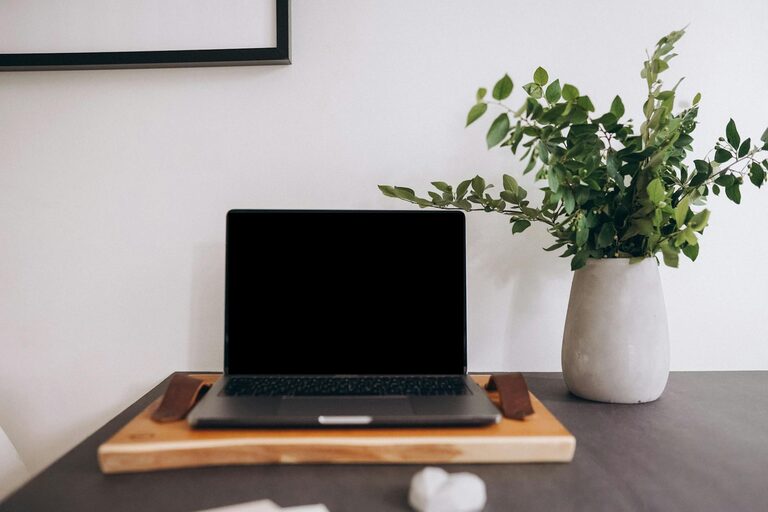
Creating a productive home office environment is key to staying focused and motivated while working remotely or managing tasks from home. Whether you are new to working at home or looking to improve your current setup, there are practical strategies you can use to create a space that supports your best work.
In this post, we will explore tips to help you design a workspace that encourages productivity and well-being.
Choose the Right Location
Selecting the right spot for your home office is the first crucial step. Ideally, choose a quiet area with minimal distractions.
– Separate from daily activities: Avoid setting up your workspace in high-traffic rooms like the kitchen or living room.
– Natural light: Position your desk near a window if possible, as natural light can improve mood and focus.
– Privacy: Consider a room with a door or use room dividers to separate your work area from the rest of the home.
Invest in Ergonomic Furniture
Comfort plays a big role in how productive you feel throughout the day. Ergonomic furniture helps prevent strain and injury.
– Chair: Use an adjustable chair with good lumbar support.
– Desk: Choose a desk at the right height to keep your arms at a comfortable 90-degree angle.
– Monitor placement: Position your screen at eye level to reduce neck strain.
– Accessories: Consider a keyboard and mouse designed for comfort, and add a footrest if needed.
Keep Your Space Organized
A clutter-free space reduces distractions and makes it easier to focus.
– Declutter regularly: Spend a few minutes each day tidying your desk.
– Storage solutions: Use shelves, drawers, or organizers to keep supplies neatly stored.
– Cable management: Use clips or ties to keep cables tidy and out of the way.
Optimize Lighting
Good lighting can reduce eye strain and boost alertness.
– Use a combination of natural and artificial light.
– Task lighting: Add a desk lamp for focused illumination when needed.
– Avoid glare: Position screens and lights to minimize reflections.
Create a Routine and Work Schedule
Productivity often depends on your daily habits.
– Set clear work hours: Stick to a schedule to separate work time from personal time.
– Take breaks: Use techniques like the Pomodoro method to take short breaks and avoid burnout.
– Start and end rituals: Create morning and evening routines to signal the start and finish of your day.
Minimize Distractions
It’s easy to get sidetracked at home if distractions are not managed.
– Turn off notifications: Silence non-essential alerts on your phone and computer.
– Use noise-canceling headphones: These can help block out background noises.
– Set boundaries: Communicate your work hours to family or housemates to minimize interruptions.
Personalize Your Space
A welcoming environment can increase your motivation.
– Add plants: Indoor plants improve air quality and add a calming touch.
– Decorate with meaningful items: Photos, artwork, or small mementos can make the space feel inviting.
– Keep it clean: Regular cleaning helps maintain a fresh and pleasant workspace.
Use Technology to Your Advantage
Leverage tools and apps that enhance your productivity.
– Task management apps: Tools like Trello or Asana help keep your projects organized.
– Time trackers: Apps like Toggl can help monitor how you spend your work hours.
– Cloud storage: Use services like Google Drive or Dropbox for easy access to documents.
Maintain Good Posture and Take Care of Your Health
Physical well-being impacts your ability to concentrate.
– Stretch regularly: Stand up and stretch every hour to prevent stiffness.
– Stay hydrated: Keep water nearby and drink frequently.
– Exercise: Incorporate daily physical activity into your routine.
Regularly Review and Adjust Your Setup
What works now might need tweaking later.
– Assess your productivity: Identify what is helping or hindering your work.
– Make changes when needed: Adjust lighting, furniture, or schedule to suit your evolving needs.
—
Creating a productive home office environment doesn’t require a lot of space or a big budget. By focusing on comfort, organization, and healthy habits, you can build a workspace that helps you stay motivated and effective throughout your workday. Start small and make gradual improvements, and you will soon enjoy the benefits of a well-designed home office.